When a Girl Misses School Because of Her Period, We All Fail
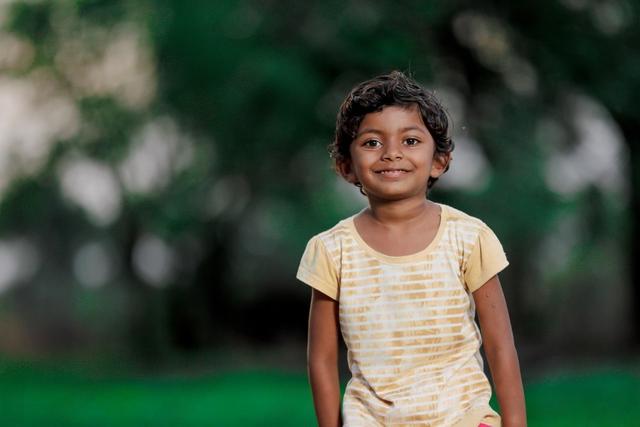
When a Girl Misses School Because of Her Period, We All Fail
Why India Needs to Confront Menstrual Injustice—Now
In the quiet corners of India—its villages, slums, and even semi-urban schools—there exists a crisis that rarely enters mainstream debate, yet shapes the futures of millions of adolescent girls: menstrual inequality.
Menstruation is a natural biological process experienced by half the population. Yet it is still treated as a curse, a source of shame, and a taboo that cannot be named aloud. For many girls, the onset of menstruation is not a confident rite of passage—it becomes the beginning of silence, withdrawal, and fear. For some, it marks the end of schooling altogether.
Menstrual inequity is not only a health issue—it’s a barrier to education, gender equality, and dignity.
The Emotional Cost: Pooja’s Story
In Bathinda, a 14-year-old girl named Pooja once dreaded her menstrual cycle. She shared: “I used to skip school during my periods. I was afraid of staining my clothes, of being teased, and I didn’t know how to manage it.”
After attending an awareness session and receiving a hygiene kit through Ladli Foundation’s MENSTRUSHALA initiative, she returned to school during her cycle. “Now, I attend classes regularly and feel confident,” she said.
No girl should have to choose between her health and her education—or her dignity and her participation in society.
A Deeper Look at the Structural Gaps
This crisis isn’t only about supply or access. At its core, menstrual inequity is shaped by social attitudes, policy apathy, and systemic neglect.
Where the system falls short
- No consistent nationwide mandate for menstrual hygiene education in government schools
- Inconsistent access to sanitary products and poor last-mile availability
- Limited disposal infrastructure (bins, incinerators, safe systems) beyond urban centres
- Mothers, teachers and frontline workers often lack correct information due to stigma
- Boys and men are largely excluded—reinforcing menstruation as a “women’s issue”
The harm is intergenerational. Poor menstrual hygiene and limited awareness are linked to serious health risks, including rising cervical cancer burdens. Many outcomes are preventable with education, hygiene access, and early support.
It’s Time to Treat Menstrual Health as a Development Imperative
Silence is not neutral—it normalises exclusion. Menstrual equity must sit at the centre of India’s development agenda, with solutions that are systemic, scalable, and sustainable.
What needs to happen now
- Curriculum integration: Menstrual health education in national curricula—sensitising both girls and boys.
- Infrastructure investment: Rural menstrual infrastructure, clean toilets, school vending, and safe disposal systems.
- Community capacity: Train teachers, community influencers, and health workers to lead behaviour change.
- Sustainable products: Promote eco-friendly menstrual options aligned with health and sustainability goals.
- CSR partnerships: Mobilise long-term partnerships that create real community transformation—not token support.
Breaking the Silence Is Everyone’s Responsibility
At Ladli Foundation, we believe menstruation must no longer be whispered about behind closed doors. Through Project MENSTRUSHALA, we’ve reached over 1 million individuals, directly sensitised 22,000 adolescent girls, and equipped thousands with products and practical knowledge to manage menstruation with dignity.
Explore the initiative here: Project MENSTRUSHALA
But we cannot do it alone. This is a call to corporates, educators, public health leaders, and everyday citizens to champion menstrual equity as a shared national mission.
- Support menstrual health education and school-based awareness
- Fund infrastructure that protects privacy and safe disposal
- Enable last-mile access to safe, affordable products
- Help normalise conversations so girls never feel ashamed
Because When a Girl Bleeds With Dignity, a Nation Rises
Let’s ensure that girls like Pooja don’t have to justify why they missed school, stayed silent, or felt ashamed. Let us build a society where periods are normal, manageable, and never a reason to hold a girl back.
Every rupee invested in menstrual health is an investment in education, equality, and India’s future.
Written by